Why Do Casino Players Keep Chasing Losses? The Psychology Behind the Relentless Pursuit
The phenomenon of loss chasing in casino gambling represents one of the most extensively documented behavioral patterns in gambling psychology. Players who incur significant losses frequently escalate their betting activity rather than withdrawing, driven by a complex interplay of cognitive distortions, neurobiological reward mechanisms, and emotional dysregulation. 🎰 This behavior is not merely a matter of poor judgment—it is a deeply ingrained psychological response that affects both recreational players and those exhibiting pathological gambling tendencies.

The Sunk Cost Fallacy and Its Role in Gambling Persistence
At the core of loss-chasing behavior lies the sunk cost fallacy—a cognitive bias wherein individuals continue investing in a failing endeavor because they have already committed substantial resources. In the context of casino gambling, players rationalize continued play by framing prior losses as an "investment" that must be recouped. This distortion is particularly pronounced in games with high variance, such as slot machines and roulette, where the illusion of near-misses reinforces the belief that a significant win is imminent. The psychological weight of accumulated losses creates an escalating commitment trap, making withdrawal feel like a definitive admission of defeat rather than a rational financial decision.
Neurobiological Underpinnings: Dopamine and the Near-Miss Effect
Neuroimaging studies have demonstrated that the anticipation of a reward—rather than the reward itself—triggers dopamine release in the mesolimbic pathway. In casino environments, this anticipatory response is systematically exploited through variable ratio reinforcement schedules, which produce the most persistent behavioral patterns known in operant conditioning. The near-miss effect, where a losing outcome closely resembles a winning one, activates the same neural circuitry as actual wins, perpetuating play despite negative outcomes. This neurobiological mechanism explains why players often report feeling "close" to a breakthrough, even when objective probability remains unchanged. 🧠

Cognitive Distortions That Fuel the Chasing Cycle
Gamblers frequently exhibit a constellation of cognitive distortions that sustain loss-chasing behavior. Illusion of control leads players to believe their skill or strategy can influence inherently random outcomes. The gambler's fallacy compels them to expect a win after a losing streak, misinterpreting independent events as self-correcting. Additionally, selective memory biases cause players to disproportionately recall near-wins and past victories while minimizing losses. These distortions are not isolated errors but form a coherent belief system that resists contradictory evidence, making intervention particularly challenging for clinicians and responsible gambling advocates.
Emotional Regulation and the Escape Mechanism
For many individuals, casino gambling serves as a maladaptive coping mechanism for underlying emotional distress. The immersive environment of a casino—characterized by continuous auditory and visual stimulation—provides temporary relief from anxiety, depression, or boredom. When losses occur, the resulting emotional pain intensifies the need for escape, creating a vicious cycle where gambling becomes both the problem and the perceived solution. This dynamic is especially prevalent among players with comorbid mood disorders, underscoring the importance of integrated treatment approaches that address both gambling behavior and underlying psychological conditions. 🎲
Social and Environmental Triggers in Casino Design
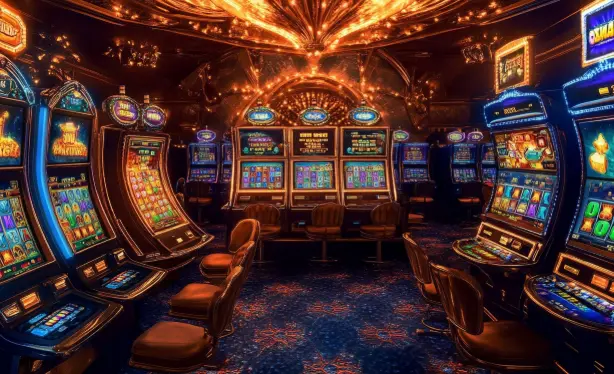
The physical architecture and operational protocols of modern casinos are meticulously engineered to promote extended play. The absence of clocks, natural light, and clear pathways to exits creates a timeless environment. Complimentary beverages, loyalty programs, and ATM placement within the gaming floor reduce friction for continued expenditure. Social facilitation—whereby the presence of other players normalizes escalating bets—further amplifies loss-chasing tendencies. Understanding these environmental triggers is essential for developing effective harm-minimization strategies, including pre-commitment limits and self-exclusion programs.
Implications for Responsible Gambling and Clinical Intervention
Addressing loss-chasing behavior requires a multi-tiered approach combining cognitive-behavioral therapy, pharmacological interventions, and policy-level safeguards. CBT helps players identify and restructure maladaptive beliefs about randomness and control. Medications such as naltrexone have shown efficacy in reducing gambling urges by modulating opioid receptors. At the regulatory level, mandatory pre-commitment systems and personalized feedback mechanisms can interrupt the chasing cycle before it escalates. The convergence of neuroscientific insight and practical intervention offers a pathway toward reducing the profound personal and societal costs associated with this persistent behavioral pattern. 💡