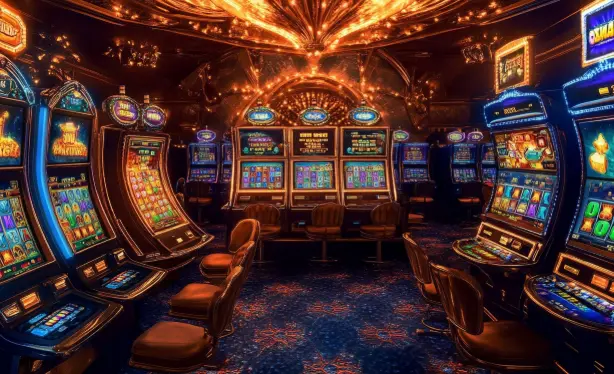
The Resurgence of Japanese Arcade Culture in Digital Gambling
Japan's arcade heritage represents a unique intersection of mechanical engineering, cultural nostalgia, and high-stakes adrenaline. For decades, the physical parlors of Tokyo and Osaka have captivated millions with their hypnotic rhythms and tactile engagement. Today, this phenomenon has transcended geographical boundaries, evolving into a sophisticated digital ecosystem. Top Pachinko online games now offer international players a direct conduit to this electrifying atmosphere, merging traditional mechanical probability with modern RNG (Random Number Generation) technology. 🎰
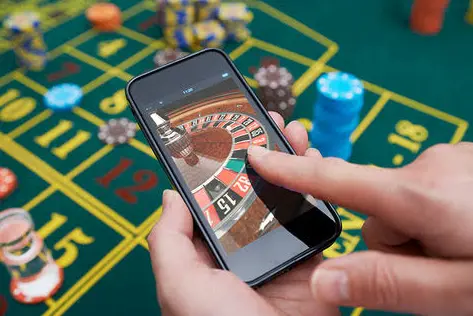
Understanding the Mechanics of Digital Pachinko Machines
Unlike standard slot reels, digital Pachinko simulators replicate the vertical pinball-style mechanics that define the genre. The core gameplay involves launching metallic balls into a field of pins, utilizing variable pressure to influence trajectory. In the virtual realm, physics engines calculate thousands of collision vectors per second to ensure authentic unpredictability. Professional players analyze the "spin" and "hold" features, which act as strategic modifiers for volatility. The integration of proprietary certification standards ensures that these digital machines operate with the same integrity as their land-based counterparts, providing a trustworthy environment for real-money wagering.
Strategic Variance and Volatility in Real Money Play
The financial architecture of these games relies heavily on distinct volatility indexes. High-stakes variants often feature aggressive payout structures with lower hit frequencies, appealing to risk-tolerant bankroll managers. Conversely, low-volatility configurations provide extended playtime through frequent, smaller disbursements. The advent of skill-based elements within certain titles adds a layer of complexity, where player input directly influences the payout multiplier. This hybrid model, combining chance with kinetic precision, distinguishes Real Money Japanese Arcade platforms from generic casino offerings. 🕹️

Regulatory Compliance and Fair Play Verification
Navigating the real-money landscape requires a rigorous understanding of jurisdictional licensing. Reputable operators utilize third-party auditing firms to validate RTP (Return to Player) percentages, typically ranging between 94% and 98% for premium Japanese arcade ports. These audits employ cryptographic hashing to ensure that the outcome of every ball drop is immutable and pre-determined at the moment of launch. Players are advised to verify the presence of seals from recognized testing agencies, which guarantee that the software has not been manipulated and that payout ratios align with advertised specifications.
Advanced Bankroll Management for Pachinko Enthusiasts
Effective capital allocation is paramount when engaging with high-frequency arcade games. The rapid turnover rate of a Pachinko session demands a disciplined staking plan. Experts recommend a unit size not exceeding 1% of the total bankroll per launch sequence. Stop-loss limits must be pre-defined to mitigate the impact of negative variance cycles. Furthermore, exploiting bonus features such as "Kakuhen" (probability rush states) requires recognizing the visual and auditory cues that signal a high-yield window. Mastery of these indicators transforms gameplay from passive wagering into a calculated pursuit of expected value.
Immersive Audiovisual Design and User Interface
The leading digital platforms invest heavily in high-fidelity animation and spatial audio to simulate the sensory overload of a Ginza arcade hall. The user interface is optimized for low-latency interaction, ensuring that the tactile feedback of the launch knob translates seamlessly to touchscreens and peripheral controllers. Thematic narratives, ranging from Feudal-era samurai epics to futuristic cyberpunk odysseys, are woven into the bonus rounds, creating a cohesive entertainment experience. This attention to aesthetic detail not only honors the source material but also enhances player retention through heightened emotional engagement.
The Future Trajectory of Virtual Arcade Gambling
Emerging technologies such as VR (Virtual Reality) and blockchain-based provably fair systems are poised to revolutionize the sector. VR implementations promise to place players physically inside a virtual parlor, interacting with machines in a shared social space. Meanwhile, decentralized ledger technology offers unprecedented transparency regarding payout pools and machine behavior. As the lines between physical and digital entertainment blur, the legacy of Japanese arcade gaming continues to expand, driven by innovation and an unwavering commitment to authentic player experience. 🎮