Prior Lake Casino Mystic Lake: The Real Hardware and Algorithmic Edge
Prior Lake Casino Mystic Lake is not some soft tribal bingo hall dressed up in slot carpet—it is a full-scale Minnesota tribal resort operation running server-based floor management, and the second you understand its RNG architecture and server-to-terminal handshake, you stop guessing and start reading the machine like a ledger.
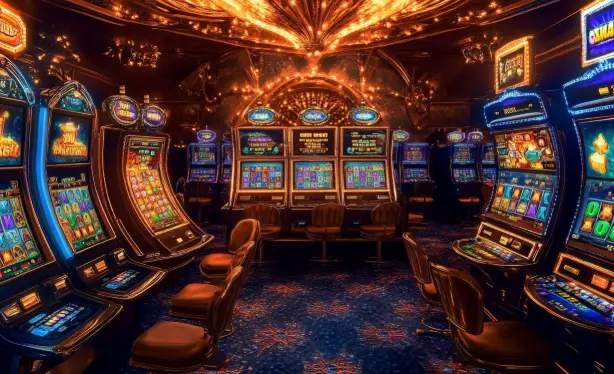
The core mechanism that separates this property from a generic riverboat is the hybrid server-based slot network. Instead of isolated cabinets with local RNG chips, Mystic Lake routes outcomes through a centralized random number generator cluster that services banks of terminals. That means your spin result is negotiated across a network handshake, not sealed inside a single box. For anyone auditing Prior Lake Casino Mystic Lake behavior, this is the single most important fact: the terminal is a dumb client, the brain lives elsewhere.
The RNG Cluster and Why Local Memory Means Nothing
Here is where the amateurs get wiped out. They assume a hot machine remembers a cold streak. It does not. The server-based architecture at this Minnesota tribal resort assigns outcomes from a pooled entropy source, and terminal-level persistence is deliberately stripped. When you sit down at a bank of five hundred cabinets, you are not fighting a single algorithm—you are fighting a load-balanced distribution that re-seeds across the floor. ❄️
The practical consequence is brutal and beautiful: patterns visible on one terminal tell you almost nothing about the next pull, because the pooling logic scrambles session state. If you want real traction at Mystic Lake, you track volatility clustering across the whole bank, not the glowing buttons in front of your face. The house edge is baked into the paytable math, and the server just enforces it with zero sentiment.
Class II vs Class III: The Regulatory Handshake Nobody Explains
Minnesota tribal gaming operates under a compact framework, and the machine mix here leans heavily on Class III style electronic gaming devices that mimic Vegas-style slot mechanics. But the fine print matters: the outcome generation is certified and sealed, and the audit trail logs every terminal event with timestamp precision. That log is the paper trail regulators and floor supervisors watch, and it is why the hardware feels tighter than a commercial casino floor in a deregulated market.
From a hardware insider's angle, the terminal-to-server latency is the tell. Pull a lever, and the response window is measured in milliseconds because the outcome is already resolved server-side before your finger releases. That is not luck—that is a pre-resolved transaction. Anyone telling you the cabinet decides in real time is selling fairy tales. 🤖
Floor Layout, Volatility Bands, and the Money Trail
Walk the floor and you will notice the denomination bands are physically segregated—penny and two-cent banks near the entrances, higher-denomination linked progressives deeper in. This is not decoration. It is volatility zoning, and it lets the property steer traffic toward different hold percentages without changing a single paytable line. The Minnesota tribal resort model leans on this zoning hard, and the linked progressive pools are the real magnet.
Track the progressive meter velocity and you will see the house's exposure in real time. When a linked jackpot climbs past its historical average reset threshold, the expected value on those specific terminals shifts measurably. That is the only genuine edge a player can monitor without touching the RNG itself. The rest is noise dressed up as intuition. 🎯
The Bottom Line on Machine Behavior
Server-based pooling, pre-resolved outcomes, volatility zoning, and sealed audit logs—that is the entire architecture in four moves. The terminal is theater; the cluster is truth. If you are not mapping the bank-level distribution and the progressive meter velocity at Prior Lake Casino Mystic Lake, you are just donating to a certified random number generator with a very clean audit trail.